
Meditation and Deep Learning: Preparing Your Mind
Discover how meditation practices enhance cognitive function, retention, and the joyful experience of learning new skills and knowledge.
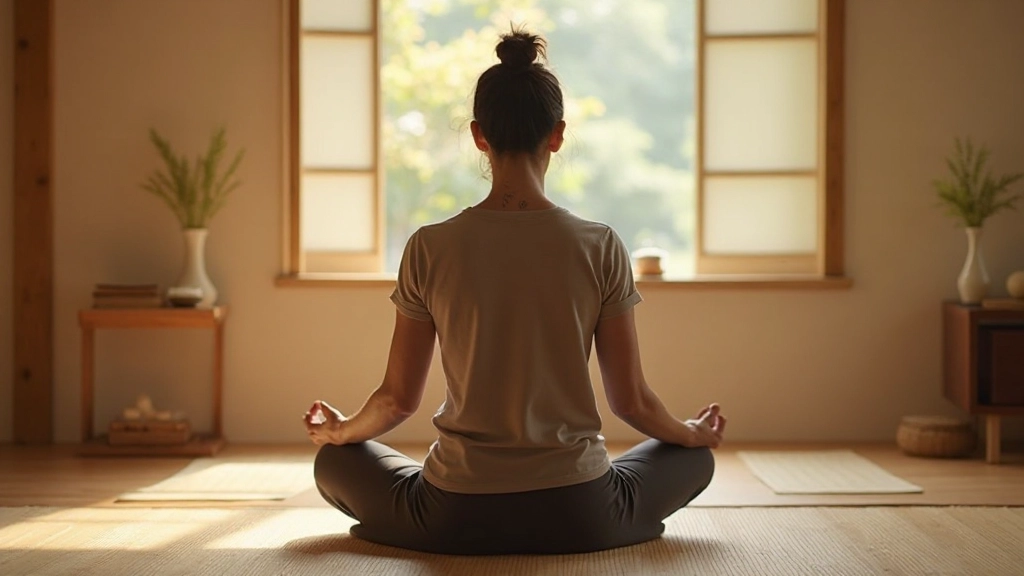
Why Meditation Matters for Learning
In our fast-paced world, the mind often struggles with constant distractions and information overload. When you sit down to learn something new—whether it's a language, technical skill, or creative pursuit—your brain needs to be in an optimal state of focus and receptivity. This is where meditation becomes transformative.
Meditation isn't about emptying your mind or achieving some mystical state. It's a practical tool that trains your attention, reduces mental noise, and prepares your brain for deep learning. Regular practitioners report better memory retention, faster comprehension, and a genuine sense of joy in the learning process itself.

The Science Behind Meditation and Cognition
Neuroscience research reveals that meditation physically changes your brain structure. Regular practice increases gray matter density in areas responsible for attention, emotional regulation, and memory formation. The prefrontal cortex—your brain's learning and decision-making center—becomes more active and resilient.
When you meditate, you're essentially strengthening the neural pathways involved in focused attention. This translates directly into improved learning capacity. Studies show that even 10-15 minutes of daily meditation can enhance information retention by up to 20% within weeks of consistent practice.

Five Key Benefits for Deep Learners
How meditation transforms your learning journey
Enhanced Focus
Meditation trains your attention span, allowing you to enter deep work sessions without mental drift. You'll absorb complex material faster and with greater precision.
Improved Memory
Regular meditation strengthens memory consolidation—the process of converting new information into long-term storage. You'll remember what you learn more vividly and for longer.
Emotional Balance
Learning can trigger frustration and self-doubt. Meditation cultivates emotional resilience, helping you approach challenges with calm determination rather than anxiety.
Creative Insight
The quiet space meditation creates allows your subconscious mind to make unexpected connections. Many breakthroughs happen not during focused effort, but in meditative moments.
Joyful Learning
Perhaps most importantly, meditation transforms learning from a stressful obligation into a genuinely enjoyable experience. You'll find yourself eager to learn, rather than forcing yourself through material.
Mental Clarity
By quieting the mental chatter, meditation clears away the fog that obscures understanding. Complex concepts become easier to grasp when your mind is truly clear.
Practical Meditation Techniques for Learners
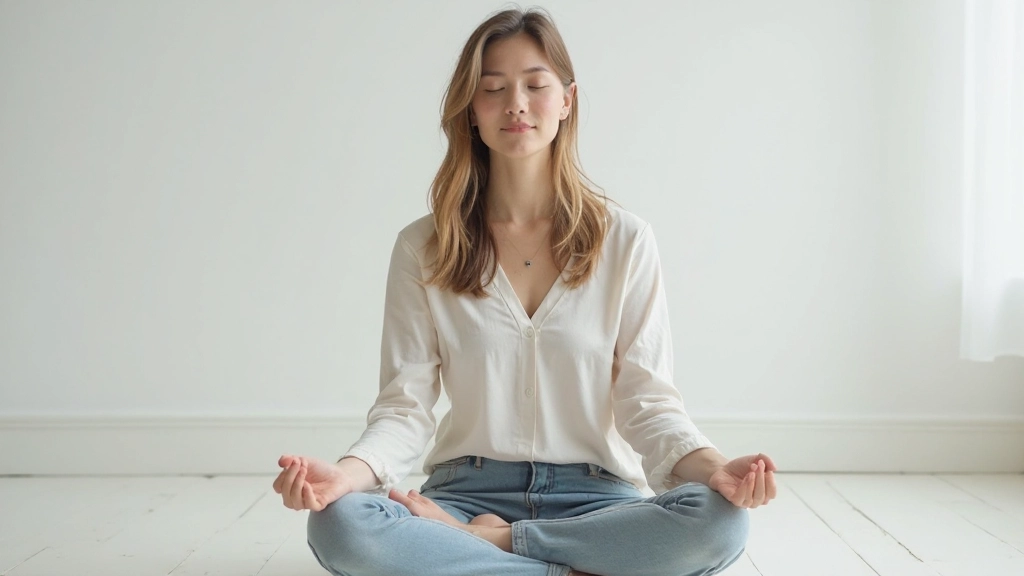
You don't need to spend hours in meditation to see benefits. Even short, consistent practices yield remarkable results. Here are three techniques specifically designed for people engaged in deep learning.
Focused Attention Meditation: Sit quietly and focus on your breath for 5-10 minutes before a learning session. When your mind wanders, gently return attention to your breathing. This primes your brain for concentration.
Alternatively, try body scan meditation where you systematically bring awareness to different parts of your body, releasing tension as you go. This is particularly helpful before long study sessions, as it relaxes physical tension that interferes with focus.
The third approach is open awareness meditation—sitting with gentle, non-judgmental awareness of whatever thoughts and sensations arise. This builds the mental flexibility needed to adapt to new concepts and perspectives in learning.
Integrating Meditation Into Your Learning Routine
Start Small and Consistent
Begin with just 5 minutes daily. Consistency matters far more than duration. Choose the same time each day—morning works best for most people, as your mind is fresher and less cluttered.
Meditate Before Learning Sessions
Practice meditation 10-15 minutes before studying or practicing a new skill. This prepares your brain for optimal learning and sets a calm, focused tone for the session ahead.
Use Meditation for Mental Breaks
During study sessions, take 2-3 minute meditation breaks every 25-30 minutes. This resets your focus, prevents mental fatigue, and helps consolidate what you've just learned.
Reflect After Learning
End learning sessions with 5 minutes of quiet reflection. Let your mind settle and integrate what you've absorbed. This final meditation solidifies memory formation and deepens understanding.
"The mind is like water. When turbulent, it's difficult to see clearly. When calm, everything becomes visible. Meditation clears the water of your mind, allowing you to see the world—and yourself—with profound clarity."
— Mindfulness Teaching Tradition
Your Learning Journey Awaits
The combination of meditation and deep learning creates a powerful synergy. Meditation prepares your mind to be a better receiver of knowledge, while deep learning gives your meditation practice purposeful direction and grounding in practical application.
Whether you're learning a new language in preparation for travel, mastering a technical skill for your career, or exploring a passion that brings you joy, meditation will enhance every aspect of the process. You'll learn faster, retain more, and most importantly, find genuine happiness in your growth.
Start today with just five minutes. Sit quietly, focus on your breath, and prepare your mind for the joyful journey of learning ahead. The path to mastery begins with a single peaceful breath.

Important Information
This article provides educational information about meditation and learning practices. While meditation has been studied extensively and shown to have cognitive benefits, individual results vary based on consistency, technique, and personal circumstances. Meditation is not a substitute for professional medical or psychological treatment. If you have concerns about attention, memory, or mental health, please consult with qualified healthcare professionals. Always approach meditation with realistic expectations and patience, as benefits typically develop over weeks of consistent practice.