
Mentorship and Senpai Culture: Learning from Others
Discover how mentorship relationships rooted in Japanese tradition accelerate personal growth and create meaningful learning communities

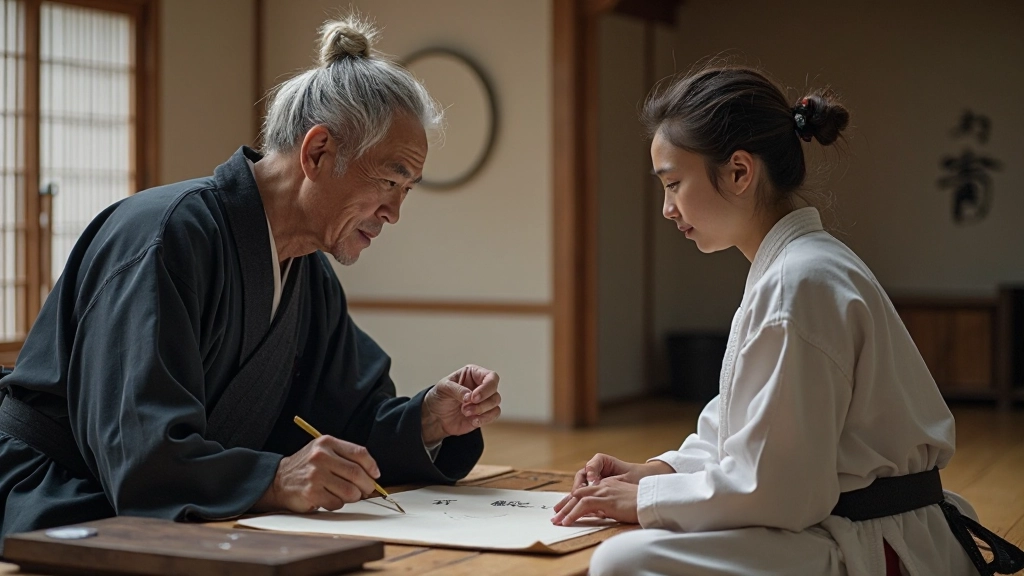
In Japanese culture, the concept of "senpai" (先輩) and "kohai" (後輩) represents far more than a simple hierarchical relationship. It embodies a profound mentorship tradition where experienced individuals guide those newer to a field, craft, or pursuit. This relationship forms the foundation of joyful learning journeys, transforming how we acquire knowledge and develop as individuals.
The beauty of senpai culture lies in its emphasis on personal connection and continuous growth. Rather than viewing learning as a solitary endeavor, this approach celebrates the interdependence between teacher and student, creating environments where knowledge flows naturally and relationships deepen through shared experience.

Understanding the Senpai-Kohai Relationship
The foundation of meaningful mentorship in Japanese tradition
The senpai-kohai dynamic extends beyond formal instruction. A senpai serves as role model, guide, and trusted advisor who demonstrates not just technical knowledge but also the values, work ethic, and character development essential for true mastery. This relationship acknowledges that learning encompasses far more than acquiring skills—it includes understanding philosophy, building integrity, and developing the emotional intelligence needed for genuine contribution.
What distinguishes this model from conventional mentoring is its emphasis on mutual benefit. The senpai grows through teaching, refining their own understanding while helping others. The kohai learns with gratitude and respect, recognizing that this guidance is a privilege. This reciprocal dynamic creates joy in learning—both parties feel valued and invested in the relationship's success.
"In the senpai-kohai relationship, we discover that teaching others illuminates our own path. The guide and the guided grow together."
— Japanese Educational Philosophy
The Transformative Benefits of Mentorship
How guided learning accelerates growth and joy
Accelerated Learning
Mentors help you avoid common pitfalls and navigate learning pathways efficiently. Their experience becomes your shortcut to competence and confidence.
Emotional Support
Learning journeys include challenges and setbacks. A mentor provides encouragement, perspective, and reassurance during difficult moments, transforming struggle into growth opportunity.
Community Connection
Mentorship links you to communities of practice and networks of professionals. These connections enrich your learning and open doors you couldn't access alone.
Personalized Guidance
Every learner is unique. Mentors tailor their guidance to your learning style, goals, and challenges, creating a personalized educational experience that generic resources cannot provide.
Character Development
Mentors model values, integrity, and professional conduct. Through observation and relationship, you absorb not just knowledge but wisdom about how to live and work meaningfully.
Accelerated Opportunity
Mentors advocate for their mentees, recommend them for opportunities, and help them navigate career or personal development pathways with insider knowledge and credibility.
Building Your Own Mentorship Relationships
Practical steps to create joyful learning partnerships
Creating meaningful mentorship relationships requires intentionality and respect. Begin by identifying individuals whose knowledge, character, or achievements align with your learning goals. Look for people who embody qualities you admire and have demonstrated success in areas you wish to develop.
Approach potential mentors with humility and clarity about what you hope to learn. Explain why you respect their work and specifically what guidance you seek. Many experienced professionals are honored to mentor when they understand the mentee's genuine commitment to growth.
Once a mentorship begins, honor the relationship through consistency, responsiveness, and gratitude. Prepare thoughtful questions for your mentor. Act on their advice and report back on results. Show appreciation regularly. A successful mentorship thrives when both parties invest time and attention.


Becoming a Mentor Yourself
The senpai-kohai relationship is cyclical. As you develop expertise, you become positioned to guide others. This transition brings immense joy—watching someone you've mentored grow and succeed reflects back on your own journey and reinforces your learning.
Mentoring others doesn't require perfection. You need only be a few steps ahead and willing to share what you've learned, including your mistakes. Some of the most valuable mentorship comes from those who recently completed the path themselves and remember the struggles clearly.
When you mentor, you continue learning. Your mentees ask questions that challenge your assumptions. They bring fresh perspectives that expand your understanding. The relationship deepens everyone involved, creating communities where learning becomes a shared, joyful endeavor rather than isolated individual effort.
Embrace the Power of Guided Growth
Mentorship rooted in senpai culture offers a pathway to learning that transcends mere skill acquisition. It creates relationships, builds community, and develops the whole person. Whether you're seeking a mentor or becoming one, you're participating in a tradition that has accelerated human development for generations.
The joy of learning deepens dramatically when shared with someone who believes in your potential and has walked the path before you. Start today—identify your senpai, commit to the relationship, and discover how guided mentorship transforms your personal development journey into something truly meaningful.



Educational Information
This article provides educational information about mentorship relationships and senpai culture in Japanese tradition. The concepts and approaches described here are intended to inform and inspire personal development practices. Individual results and experiences with mentorship vary based on personal circumstances, mentor selection, and commitment level. While mentorship relationships can significantly enhance learning and personal growth, they are one component of a comprehensive approach to education and development. Consider your unique situation, learning goals, and available resources when exploring mentorship opportunities. The effectiveness of any mentoring relationship depends on mutual respect, clear communication, and consistent engagement from both parties.