
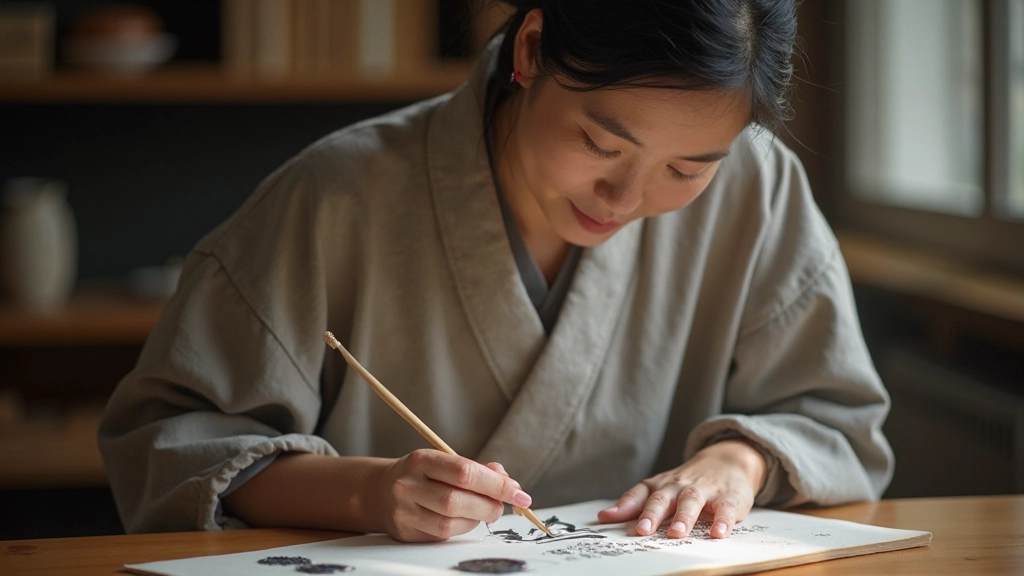
The Art of Mindful Learning in Japanese Tradition
Discover how centuries-old Japanese practices cultivate deep, joyful learning and personal transformation through mindfulness and intention.

Understanding Mindful Learning
In Japan, learning has never been merely about accumulating information. Rather, it represents a journey of personal transformation rooted in mindfulness, patience, and deep engagement with knowledge. This philosophy, refined over centuries, offers profound insights for modern learners seeking meaningful development beyond superficial achievement.
The Japanese approach to education emphasizes the harmony between mind, body, and spirit. Students are encouraged to cultivate awareness of the learning process itself, finding joy in mastery and understanding rather than chasing external rewards. This foundational perspective transforms how individuals relate to knowledge throughout their lives.
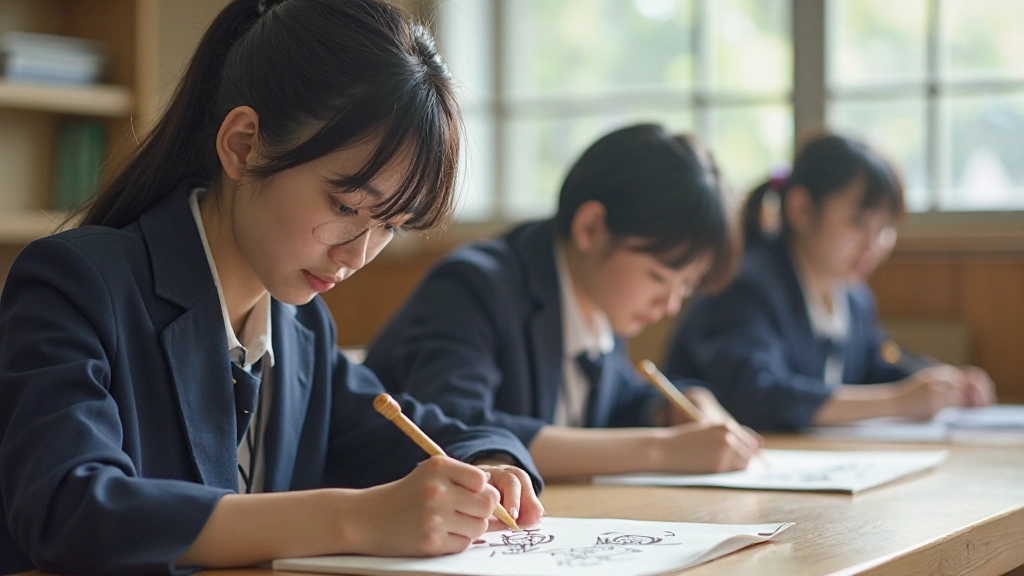
Core Philosophy
Five Pillars of Japanese Learning
Shoshin (Beginner's Mind)
Approaching every subject with openness and curiosity, regardless of prior experience. This mindset eliminates preconceptions and allows genuine understanding to flourish naturally.
Kaizen (Continuous Improvement)
Small, consistent steps toward mastery create lasting transformation. Rather than dramatic leaps, meaningful progress emerges through dedicated daily practice and reflection.
Ikigai (Purpose & Joy)
Finding deep meaning in learning pursuits creates intrinsic motivation. When education aligns with personal values, joy becomes inseparable from achievement.
Senpai-Kohai (Mentorship)
Learning flourishes within relationships built on respect and guidance. Experienced mentors and supportive peers create environments where growth feels natural and sustained.
Zanshin (Sustained Attention)
Maintaining focus and presence throughout learning deepens comprehension. This quality of attention transforms ordinary practice into extraordinary mastery.
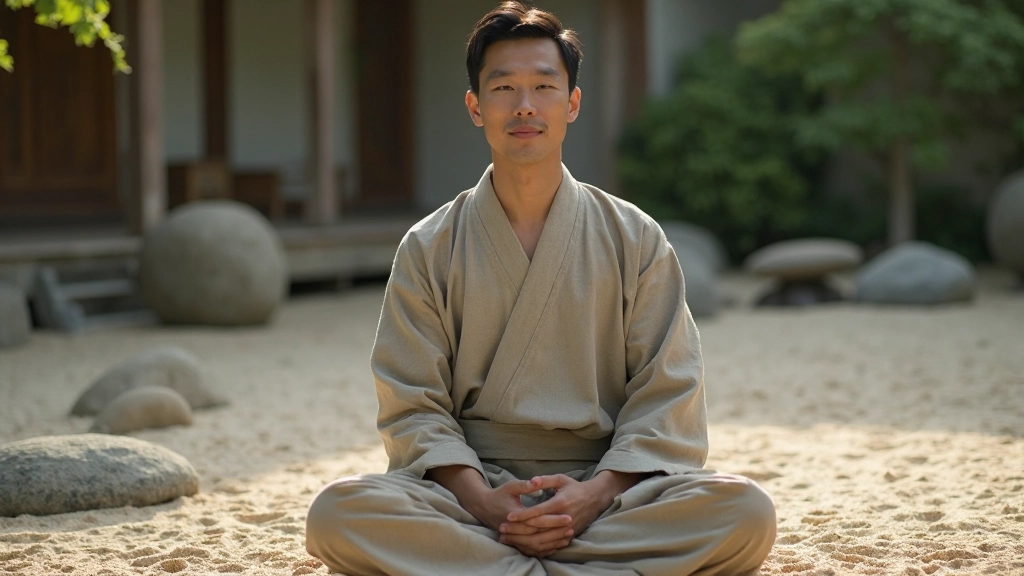
The Role of Meditation & Mindfulness
Meditation serves as the foundation for mindful learning in Japanese tradition. Rather than viewing meditation as separate from education, Japanese practitioners integrate contemplative practice directly into the learning process.
Zazen (seated meditation) cultivates the mental clarity necessary for deep learning. By observing thoughts without judgment, students develop awareness of their learning patterns and mental obstacles. This self-awareness becomes the gateway to genuine transformation.
"When the mind is still, learning becomes natural. When the heart is open, understanding flows freely."
— Japanese Zen Teaching
This meditative approach transforms how students engage with subjects. Rather than passive absorption, learning becomes an active dialogue between the learner and the material. Mindfulness ensures that each moment of study carries full presence and intention.
Implementation
Integrating Mindfulness Into Daily Learning
Practical methods for cultivating mindful learning in modern contexts
01
Create Intentional Space
Designate a dedicated learning environment free from distractions. In Japanese homes, this might be a simple corner with natural elements. The physical space reflects and supports the quality of your mental presence.
02
Begin With Centering Practice
Start each learning session with 5-10 minutes of focused breathing or meditation. This transitions your mind from scattered activity to concentrated presence, maximizing the effectiveness of subsequent study.
03
Practice Deliberate Engagement
Engage with material through active reflection rather than passive consumption. Write observations, ask questions, and connect new information to existing knowledge. This deepens neural pathways and creates meaningful understanding.
04
Embrace Regular Reflection
End each session with journaling or quiet contemplation. Reflect on what you've learned, how your understanding has shifted, and what remains unclear. This consolidates knowledge and guides future learning directions.
05
Seek Mentorship & Community
Connect with experienced learners and teachers who embody mindful learning principles. These relationships provide guidance, accountability, and the encouragement necessary for sustained growth and development.
Personal Transformation Through Patient Practice
Japanese culture understands that genuine learning cannot be rushed. The process of acquiring knowledge and developing wisdom follows natural rhythms, much like the seasons or the growth of a tree. This patient approach yields deeper, more sustainable results than hurried memorization.
Consider the martial artist who trains for decades to achieve mastery. Each repetition of a technique refines not just physical skill but also mental discipline and spiritual awareness. The goal is not to complete training quickly, but to develop profound competence and understanding through consistent, mindful practice.
This philosophy extends to all learning domains. Language acquisition becomes a journey of cultural understanding. Academic study transforms into philosophical exploration. Technical skill development becomes an expression of personal growth. The learning itself becomes the reward, and joy emerges naturally from sustained engagement.
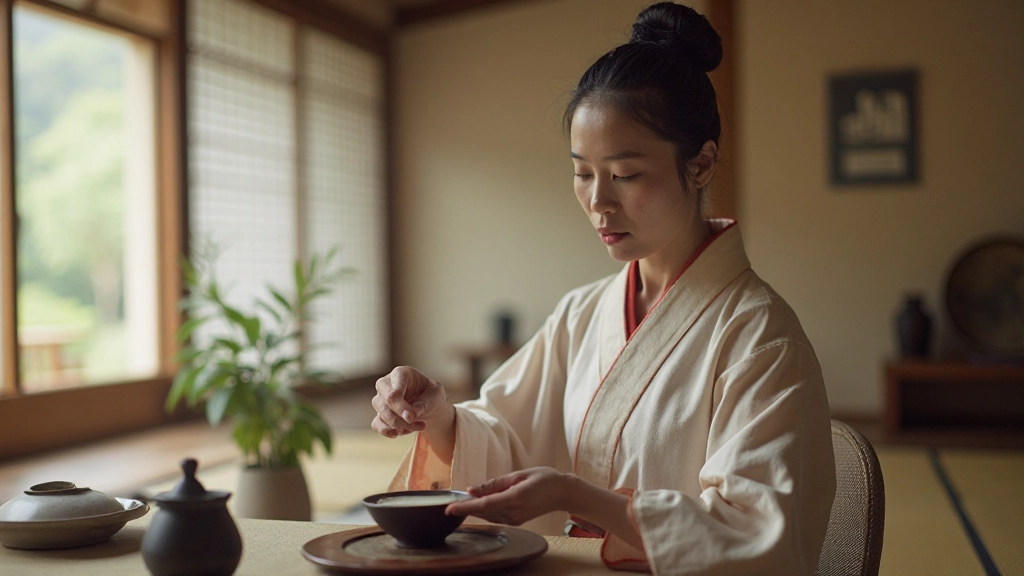
Results & Impact
The Lasting Benefits of Mindful Learning
Deeper Understanding
Mindful engagement creates neural connections that facilitate long-term retention and genuine comprehension, not just surface-level memorization.
Intrinsic Motivation
When learning aligns with personal values and becomes a source of joy, motivation becomes self-sustaining rather than dependent on external rewards.
Reduced Anxiety
Mindfulness practices decrease performance anxiety and perfectionism, creating space for genuine curiosity and exploration without fear of judgment.
Holistic Development
This approach cultivates not just intellectual growth but also emotional intelligence, self-awareness, and spiritual maturity alongside academic achievement.
Adaptable Resilience
Students develop the mental flexibility and resilience to navigate challenges and adapt their learning strategies in response to new situations and obstacles.
Lifelong Growth
By cultivating joy in the learning process itself, individuals develop habits that support continuous growth and development throughout their entire lives.
Begin Your Mindful Learning Journey
The art of mindful learning is not reserved for monks or academic scholars. It is an accessible practice available to anyone willing to approach learning with intention, patience, and presence. By integrating these Japanese principles into your educational approach, you transform not just how you learn, but who you become through learning.
Start small. Create one intentional learning space. Begin one study session with mindfulness. Reflect on one learning experience. These small acts plant seeds of transformation that blossom into lasting change.
Explore More Learning ResourcesDisclaimer
This article provides educational information about Japanese learning philosophies and mindfulness practices. While these approaches have been practiced and valued for centuries, individual results vary based on personal commitment, circumstances, and learning style. The information presented is intended for general educational purposes and should not be considered professional educational or psychological advice. For specific concerns about learning difficulties or educational planning, consult with qualified educators or specialists who can assess your individual situation. These practices complement but do not replace formal education, professional guidance, or specialized support when needed.
Explore Related Topics
Continue your learning journey with these complementary resources