

Balancing Tradition and Innovation in Skill Development
Discover how to integrate timeless Japanese learning philosophies with modern techniques for comprehensive personal growth and sustainable skill mastery.

The Art of Balanced Learning
In Japan's educational landscape, a profound philosophy has endured for centuries: the concept of "monozukuri" (craftsmanship) paired with "kaizen" (continuous improvement). These principles emphasize deep, mindful skill development rooted in tradition while remaining adaptable to contemporary challenges. Today's learners face a unique opportunity—to harness the wisdom of time-tested methodologies alongside cutting-edge digital tools and resources.
The question isn't whether to choose tradition or innovation, but rather how to create a synergistic approach that leverages the strengths of both. This article explores the practical framework for achieving this balance in your personal skill development journey.

Understanding Traditional Foundations
Ancient wisdom provides the scaffolding for modern mastery
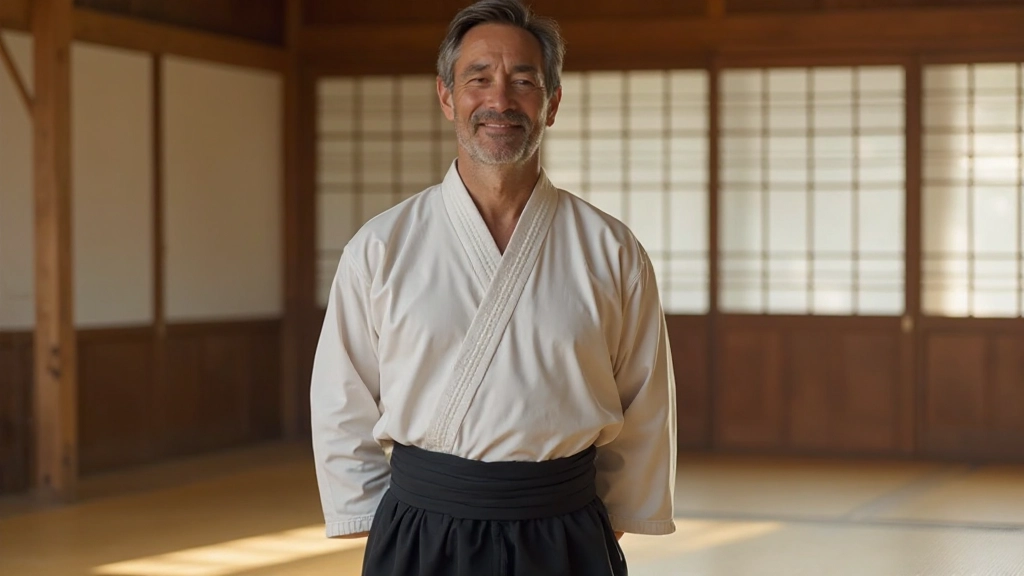
Traditional Japanese learning emphasizes several core principles that remain remarkably relevant today. The concept of "shu-ha-ri" (守破離) describes the three stages of mastery: first, learning and copying the fundamentals (shu); second, breaking away and adapting the rules (ha); and finally, transcending and creating your own path (ri).
This progression prevents learners from becoming trapped in either rigid conformity or unfounded innovation. Instead, it creates a structured path where experimentation is grounded in solid foundational knowledge. The traditional approach also emphasizes repetition and reflection—not mindless drill, but deliberate practice paired with contemplation.
"Mastery is not the accumulation of techniques, but the deepening of understanding through patient, intentional practice."
— Japanese Educational Philosophy
Modern Tools and Accelerated Learning
Technology amplifies human potential when aligned with proven learning principles

Innovation in skill development has democratized access to knowledge previously restricted to geographic locations or elite institutions. Adaptive learning algorithms now personalize educational experiences, spaced repetition systems optimize memory retention, and global communities enable peer learning across borders.
However, the abundance of tools and resources creates a new challenge: distraction and superficiality. Modern learners must be intentional about which innovations serve their development and which merely consume time. The most effective approach combines traditional depth with modern efficiency—using technology to enhance focus rather than fragment attention.
73%
of learners report better outcomes with hybrid approaches
40%
reduction in learning time with deliberate practice frameworks
The Integrated Development Framework
Five key principles for balanced skill mastery
01
Build Foundational Mastery
Begin with fundamental principles, practicing core techniques deliberately and repeatedly. This traditional approach creates neural pathways and deep understanding that innovation can then build upon.
02
Implement Reflective Practice
Dedicate time to contemplating your learning. Journal about challenges, review recordings, and identify patterns. This mirrors traditional Japanese reflection (hansei) combined with modern feedback systems.
03
Embrace Strategic Experimentation
Once foundations are solid, experiment with variations and modern techniques. This is the "ha" stage—breaking the rules with understanding. Use A/B testing and data to measure effectiveness.
04
Leverage Community and Mentorship
Combine traditional mentorship relationships with modern learning communities. Real-time feedback from experienced practitioners, whether in-person or virtual, accelerates growth while maintaining quality standards.
05
Create Your Unique Path
The "ri" stage—transcendence. With deep foundations and experimentation, develop your distinctive approach. Synthesize what you've learned into something authentically yours that contributes to your field.
Practical Implementation Strategies
Turning philosophy into actionable daily practices
Implementing balanced skill development requires intentional design of your learning environment and schedule. Begin by identifying your skill domain and researching both traditional masters and modern innovators. Create a structured curriculum that respects foundational learning while incorporating contemporary resources.
Weekly Practice Structure
- Monday-Wednesday: Core fundamentals (traditional practice)
- Thursday: Reflection and review (journaling, video analysis)
- Friday-Saturday: Experimentation with new techniques or tools
- Sunday: Community engagement and mentorship (online or in-person)
This rhythm honors the Japanese concept of "ma" (negative space)—recognizing that progress requires both intense practice and intentional rest. Technology tools can support this structure through reminders, progress tracking, and community connection, but they serve the learning framework rather than defining it.

The Harmony of Balanced Development
The false dichotomy between tradition and innovation has long hindered skill development. In reality, the most effective learning paths honor both. Traditional approaches provide the depth and discipline necessary for genuine mastery, while modern innovations offer efficiency, accessibility, and personalization.
By implementing the integrated framework outlined here—building foundational mastery, practicing reflection, experimenting strategically, engaging with community, and ultimately creating your unique path—you position yourself for sustainable, meaningful growth. This approach aligns with Japan's centuries-old commitment to continuous improvement while embracing the tools and knowledge available in the contemporary world.
Your skill development journey is uniquely yours. The principles are universal, but the application is deeply personal. Start with one domain, commit to the framework, and experience how the balance between tradition and innovation accelerates your path to mastery.
Explore More Learning Resources
Discover comprehensive guides on developing specific skills through balanced, integrated approaches.
View Learning GuidesImportant Note
This article presents educational information about skill development frameworks and learning philosophies. Individual results vary based on personal circumstances, learning style, prior experience, and commitment level. The approaches described are intended to inform and inspire—not to guarantee specific outcomes. For specialized skill development in professional or technical domains, consider consulting qualified instructors or mentors in your specific field of interest. Your unique learning journey may require adaptations to these frameworks based on your goals and context.